


10k vs 14k vs 18k Gold: Which Karat Is Right for You?
Ask three jewelers which gold to buy and you will hear three answers, usually shaped by what they sell. The karat stamped inside a band or on a clasp determines how much real gold sits in the metal, how the piece looks in window light, and how it holds up after years of lifting bags and washing dishes. If you are weighing 10k vs 14k gold for a ring, bracelet, or pendant, the real question is which trade-off you can live with. Here is how we explain it to customers at our bench in New York, without a sales pitch attached.
Table of Contents
- Quick Takeaways
- What Karat Actually Measures
- 10k vs 14k: Durability and Daily Wear
- 14k vs 18k: Color, Value and Maintenance
- Best Gold for Engagement Rings
- Side by Side: Choosing Your Karat
- Alloy Color and Nickel Sensitivity
- Caring for Gold Jewelry Over Decades
- Frequently Asked Questions
- References
Quick Takeaways
Key Insight |
Explanation |
|---|---|
10k is 41.7% pure gold, 14k is 58.3%, and 18k is 75% |
Divide the karat number by 24 to get the gold share. The math is simple, so you can check any listing yourself. |
14k is the default for daily-wear fine jewelry |
It balances hardness with a warm yellow tone, which is why most of our engagement rings and jewelry start there. |
10k resists scratches best but looks paler |
Choose it for pieces that take hard knocks, but expect a cooler, less saturated color. |
18k looks richest but marks and wears faster |
Prongs and shanks soften sooner, so plan on more polishing and regular prong checks. |
The karat stamp tells you purity, not craftsmanship |
Two 14k rings can differ widely in setting security and finish, so judge the build as well as the number. |
Ask about the alloy, not just the karat |
The alloy metals control color and can trigger skin sensitivity, even in a piece that is 14k. |
Match the karat to how you wear the piece |
A tennis bracelet worn all day has different needs than a pendant worn for special evenings. |
What Karat Actually Measures
Karat is a measure of purity, not a grade of quality. Pure gold is 24 karat, and every lower number tells you how many parts out of 24 are gold, with the rest made up of other metals. A 14k piece contains 14 parts gold and 10 parts alloy, which works out to 58.3% gold by weight.
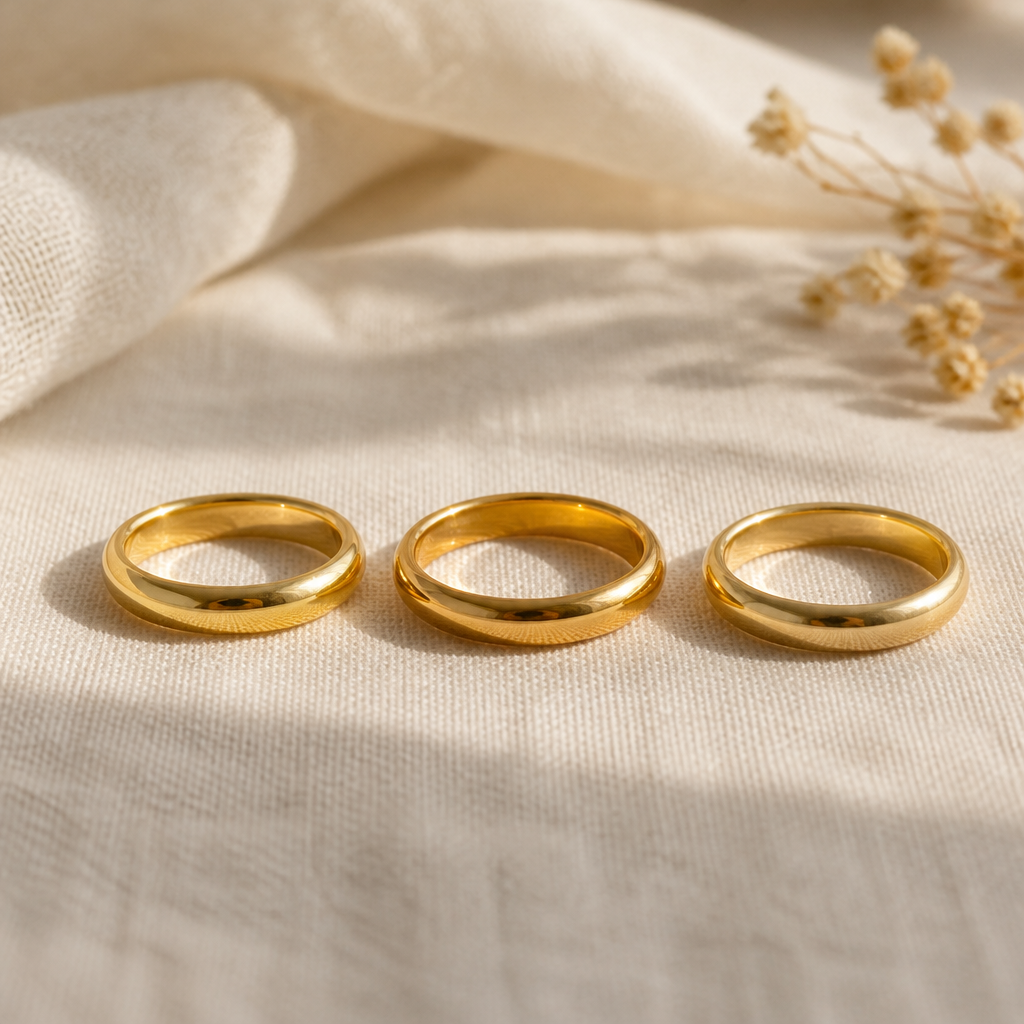
The alloy is what makes gold usable. The GIA's published work on gold content lists silver, copper, zinc, and nickel among the metals used in karat gold reference standards, and each one shifts color, hardness, and how the metal casts. Pure 24k gold is too soft for rings that take daily knocks, which is why nearly every gold piece you buy is an alloy.
Here is the practical translation. A lower karat has more alloy, so it is generally harder and more resistant to scratches, but it carries less gold and a paler color. A higher karat has more gold, a warmer tone, and a softer metal that marks more easily.
The karat tells you how much gold is in the metal. It does not tell you how well the piece was made, and that is where most of the real differences between two rings come from.
10k vs 14k: Durability and Daily Wear
The most common question we hear is whether 10k is simply a cheaper 14k. It is not, and the difference shows up most clearly in how the metal handles everyday contact. The gap between these two karats is about how much alloy you accept, not whether the gold is real.
Hardness and scratch resistance
Because 10k contains more alloy metal, it is typically the harder of the two. In practice, a 10k band is less likely to pick up fine scratches from keys, countertops, and the rings stacked in a jewelry box. For someone who works with their hands, that is a real advantage.
The trade-off is color. Lower karat gold looks paler, and when you set a 10k band beside a 14k one, the 10k reads cooler and less saturated. Some buyers like that understated tone, but it is worth seeing in person before you commit.
Where 10k earns its place
A 10k piece makes sense for a stackable band, a bold everyday ring for someone who works outdoors, or a gift for a teenager who is hard on jewelry. We would not steer a customer toward it for a heirloom solitaire, because the paler tone can look muted next to a bright diamond. Choose 10k for durability and budget, not for depth of color.
Buyers sometimes assume a lower karat means a lower standard of finish. That is a mistake. A well-built 10k piece with clean polishing and secure settings will outperform a careless 14k piece every time.
Pro tip: If you are buying a 10k stackable band, wear it next to a 14k piece for a day before deciding. The color gap is much easier to judge side by side than in a product photo.
14k vs 18k: Color, Value and Maintenance
This is where the decision usually gets real, because 18k is the richest gold in the standard range and the one most people picture when they hear the word gold. It is also the one that asks more of its owner over time.
Color differences in practice
At 75% gold, 18k has a deeper, more saturated yellow than 14k. Side by side, 14k looks warm and bright, while 18k reads as a richer, slightly more golden tone. Neither is wrong, and the choice comes down to whether that depth suits your skin tone and your wardrobe.
People with cool undertones and a wardrobe of silver, gray, and navy often find 14k flatters them more than 18k. Warmer skin tones and gold-toned clothing often pair well with the deeper 18k color. Try both on your own hand before you decide.
Cost, wear, and resale
Because 18k contains more gold, it costs more per gram than 14k, and that gap shows up in the final price of the same design. The price difference is the most visible one, but the wear pattern matters more over years of use. Softer metal shows polishing marks sooner, and prongs on an 18k engagement ring may need checking more often.
Resale follows metal content, so 18k holds more of its base value as scrap. Resale of finished jewelry is another matter, since most buyers pay for design and workmanship as well as weight. Plan on the piece being worth what you paid for it to you, not what the gold would fetch on a scale.
Pro tip: Ask whether the prongs and the body of the ring use the same karat and alloy. Mixed metals can wear unevenly, and that affects how the setting ages.
Best Gold for Engagement Rings
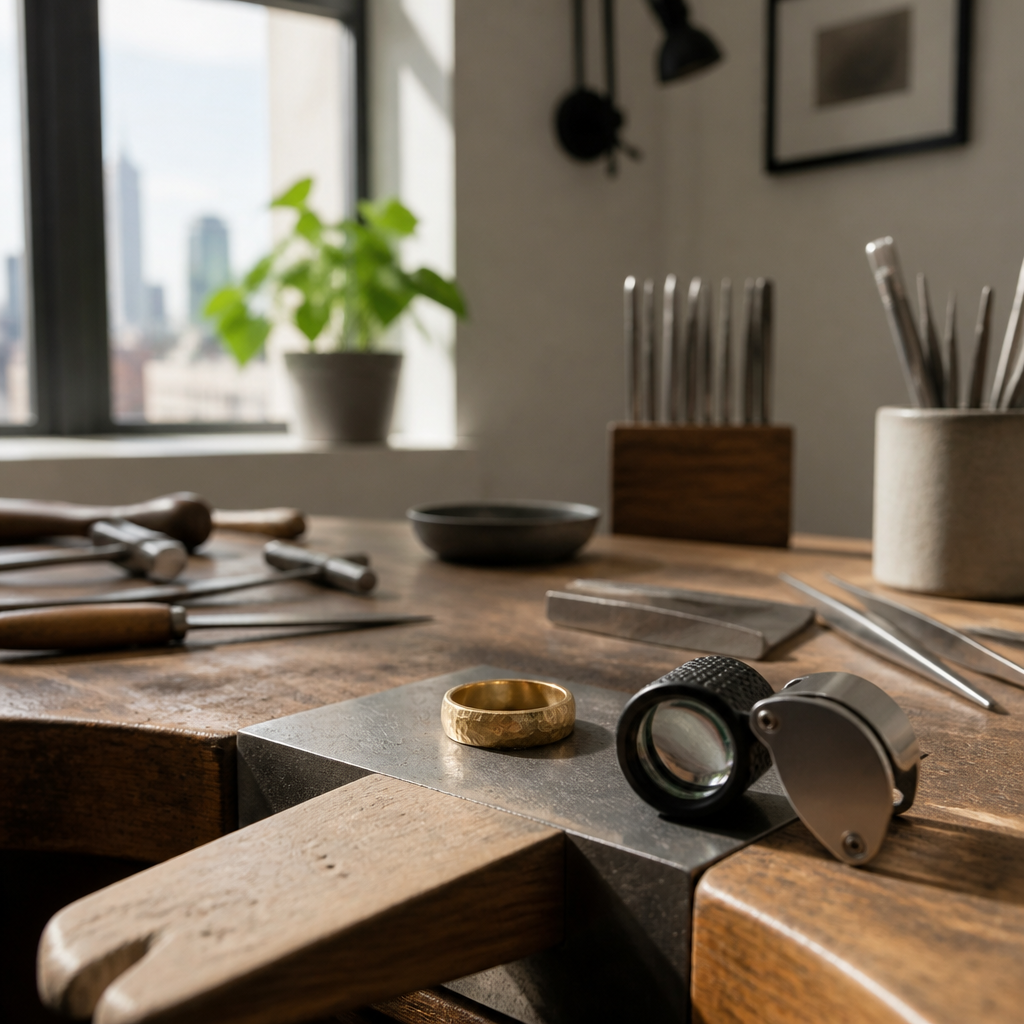
For most engagement rings, we recommend 14k gold, and our own bridal work starts there for a clear reason. A ring worn every day, in every shower, and every time it bumps a doorframe needs a metal that balances strength with warmth.
Prong wear and setting security
The setting is the weak point on most rings, not the band. Prongs take the stress of holding a diamond, and softer metal bends or thins faster under repeated contact. A 14k head gives you enough stiffness to hold a stone securely for years without frequent retipping.
We have seen 18k rings come in for prong checks sooner than 14k rings of the same design, mainly because the metal is softer. That is an observation from our bench rather than a controlled study, so treat it as a pattern to watch for, not a rule.
Custom engagement rings in 14k
When we build custom engagement rings, we set the design in solid 14k gold with brilliant lab created diamonds, and the karat choice is usually the first conversation. We walk through how the ring will be worn, whether the wearer uses their hands at work, and how warm they want the metal to look against their skin.
A 10k engagement ring can work for someone with very active hands, but it reads paler, and the design needs enough metal to look finished. An 18k ring suits buyers who want the deepest yellow and accept more frequent polishing. Both are valid choices, but neither is the default we would pick for daily wear.
Pro tip: Before you choose a karat for an engagement ring, ask your jeweler for a prong inspection schedule. A good jeweler should be able to tell you how often a setting needs attention and what signs of wear to watch for.
Side by Side: Choosing Your Karat
The table below compares the three standard karats on the factors that matter most for a piece you plan to wear. Read it as a starting point, then weigh it against how you actually live.
Karat |
Gold Content and Color |
Best Use |
|---|---|---|
10k |
41.7% gold, paler yellow tone, hardest of the three |
Stackable bands, active lifestyles, budget-focused everyday pieces |
14k |
58.3% gold, warm and balanced yellow, strong for daily wear |
Engagement rings, tennis bracelets, everyday pendants and rings |
18k |
75% gold, deep and rich yellow, softer and more prone to marks |
Occasion pieces, collectors, buyers who want the richest color |
Be careful with the phrase "real gold" in product descriptions. Every karat in this comparison is real gold, and the real question is how much alloy you are comfortable wearing. A 10k piece is not fake, and an 18k piece is not automatically the better buy for your budget or your lifestyle.
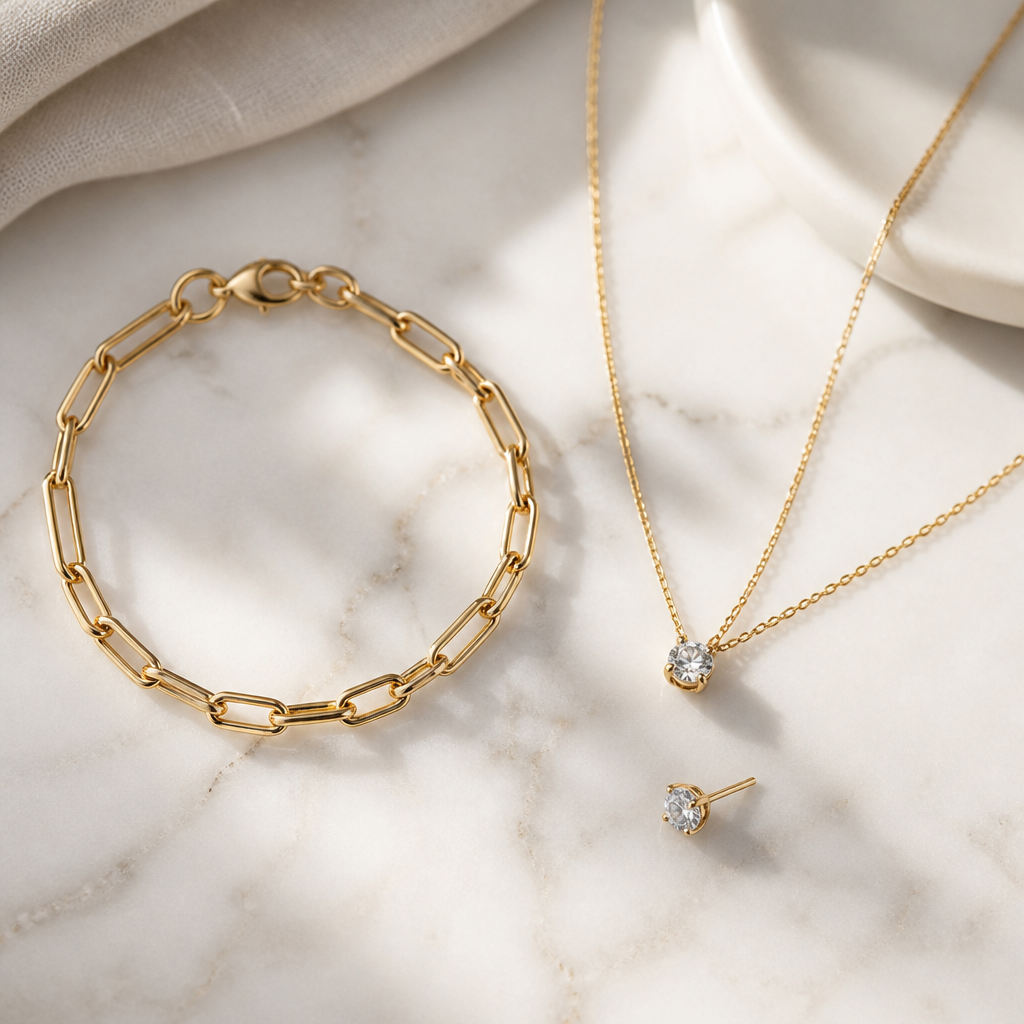
Tennis bracelets deserve a specific note. They carry many small links and joints, and a bracelet on the wrist takes constant contact with desks, car doors, and clothing. For that reason we usually recommend 14k over 18k for tennis bracelets, even though 18k looks spectacular in a bright photo.
Alloy Color and Nickel Sensitivity
Gold color depends on the alloy as much as the karat. Yellow gold blends gold with silver, copper, and zinc, rose gold adds more copper for its pink tone, and white gold uses paler alloying metals that are usually finished with a rhodium plating for a bright look.
White, yellow, and rose gold alloys
A 14k yellow gold piece and a 14k rose gold piece contain the same share of pure gold, but the alloy balance changes the look entirely. Rose gold reads warmer and softer, while white gold needs periodic re-plating to keep its finish bright. If you prefer a cool metal, the plating maintenance is part of the cost of ownership.
Mixing metals in one design is common, such as a yellow gold band with white gold accents. Ask how the two alloys were joined and whether the finish will wear unevenly over time. A good maker can answer that question directly.
Nickel and skin sensitivity
Nickel is the usual culprit when skin reacts to jewelry. Some alloys include nickel to increase strength, so a 14k piece is not automatically nickel-free, and a reaction can happen with any karat. Karat alone does not predict skin response.
If you have a known sensitivity, ask the maker which alloy is used and whether the piece is nickel-free, then confirm the answer in writing before you buy. A clear answer from the maker matters more than the number on the stamp.
Pro tip: If you notice redness or itching under a ring, remove it for a few days and check whether the skin clears. A reaction that stops once the piece is off points to the metal, which helps you decide what to ask the maker next.
Caring for Gold Jewelry Over Decades
Good gold can last for generations, but only if it is cleaned, stored, and checked the right way. The karat changes how much care a piece needs, so match your routine to the metal you are wearing.
Cleaning and storage
Clean gold with warm water, a drop of mild dish soap, and a soft brush, then dry it with a lint-free cloth. Avoid chlorine, bleach, and harsh abrasives, which can damage both the metal and the stone settings. Skip the toothpaste trick, since its grit can leave fine scratches on a polished surface.
Store softer 18k pieces separately from harder stones and other metal pieces, because contact marks show up quickly on a soft surface. Keep each piece in a fabric pouch or its own compartment, and remove rings before gardening, cooking, or swimming.
When to have a jeweler check the setting
Have a jeweler inspect prongs, clasps, and bails at least twice a year if you wear a piece daily. Tennis bracelet clasps and pendant bails are the parts that most often fail first in our experience, and a quick check catches a loose link before it becomes a lost stone.
Pro tip: Photograph your ring or bracelet when you buy it, including a close view of the karat stamp. If you ever need a repair or an insurance claim, a dated image makes the record much easier to prove.
Frequently Asked Questions
Is 10k gold real gold?
Yes. 10k is 41.7% pure gold by weight, so it is genuine gold with a higher proportion of alloy metals than 14k or 18k. Its lower gold content is the reason it costs less and is harder.
Which is better for an engagement ring, 14k or 18k?
For most daily-wear rings, 14k is the better choice. It balances strength, warmth, and cost, while 18k suits buyers who want deeper color and accept more frequent polishing and prong checks.
Does 14k gold tarnish?
Pure gold does not tarnish, but the alloy metals in 14k can dull over time, especially with skin oils, lotions, and household chemicals. Regular gentle cleaning keeps the surface bright and makes wear easier to spot.
Will 18k gold turn my skin green?
Not usually. Green marks typically come from copper in the alloy reacting with skin moisture and sweat, and that can happen with any karat that contains copper. The karat number alone does not decide it, so ask about the alloy if the problem recurs.
What karat is best for a tennis bracelet?
For most people, 14k is the best balance. A tennis bracelet has many links and a clasp that takes constant stress, so you want enough strength to keep the piece intact without sacrificing too much warmth.
How can I confirm the karat of a piece I am buying?
Look for a clear stamp such as 10K, 14K, or 18K inside the band or on the clasp, then ask the seller for documentation of the metal and alloy. A reputable maker will answer those questions without hesitation.
Tell us which karat you wear every day and what it has taught you about the trade-offs, because real wear stories help us refine our advice.
References

- Choosing a selection results in a full page refresh.
- Opens in a new window.